




























Staying Relevant on Social Media: Content Strategies That Work
May 21, 2026
Google Marketing Live 2026 Recap: What’s New in AI Search, Paid Ads, and SEO
June 26, 2026
Many manufacturers still generate business through referrals, long-standing relationships, trade shows, and distributor networks. While these channels remain valuable, they no longer tell the whole story of how buyers make decisions.
Today’s manufacturing buyers are conducting extensive research long before they ever reach out to a salesperson. Engineers, procurement teams, operations leaders, and executives are evaluating vendors online, comparing solutions, reviewing case studies, and searching for answers to technical challenges. And more recently, they’re also using AI-powered search tools and AI agents to gather information, summarize options, and identify potential partners.
If your company isn’t visible during this research phase or if your content isn’t optimized to be found and cited by AI-driven searches, you may be losing opportunities before your sales team even knows they exist.
This is what we call the manufacturing marketing gap, the disconnect between how modern buyers purchase and how many manufacturers market their businesses.
Four Signs Your Manufacturing Company Has a Marketing Gap
1. Your Website Functions Like a Digital Brochure
Many manufacturing websites focus heavily on company information, products, and capabilities. While these elements are important, buyers are also looking for educational content, industry expertise, and proof that you understand their challenges and have the solutions to solve them.
When Leadec USA first partnered with Waypost, they wanted to expand brand visibility beyond its traditional audience. Through strategic website improvements, industry-specific content, and optimized conversion paths, Leadec experienced 40% growth in organic website traffic within the first year and increased engagement from new target industries.
Your manufacturing website should do more than describe your company. It should actively support the buyer’s decision-making process while also providing structured, authoritative content that search engines and AI agents can easily understand and recommend.
2. Marketing and Sales Operate Separately
One of the most common challenges manufacturers face is a lack of alignment between marketing and sales. Marketing reports website traffic and content engagement, while sales focuses on opportunities and revenue. Without a shared view of the buyer journey, valuable insights can be lost.
This marketing and sales alignment issue often leads to questions like:
- Which marketing efforts are generating qualified opportunities?
- How long does it take a lead to become a customer?
- What content influences buying decisions?
- Where are prospects dropping out in the sales process?
Without clear visibility into the buyer journey, manufacturers risk investing time and resources into activities that may not be driving measurable results.
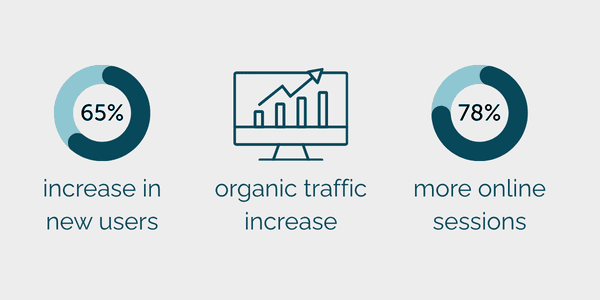
Polydeck, a screening manufacturer, partnered with Waypost to solve this exact challenge. By improving visibility across its marketing and sales systems, the organization gained a clearer understanding of how prospects engaged with content, moved through the sales process, and ultimately became customers.
Want to see how they did it? Read the full case study to learn how strategic marketing, CRM visibility, and sales alignment helped drive measurable growth.
3. You’re Relying Too Heavily on Trade Shows
Trade shows continue to play an important role in manufacturing marketing, but buyers don’t begin their research when they arrive at your booth.
In many cases, prospects have already researched potential vendors months before attending an event. They continue evaluating options long after the event ends. Today, that research may include asking AI assistants for recommendations, comparing suppliers through AI-generated summaries, or using conversational search tools to evaluate solutions.
If your company isn’t creating content that supports these research stages, you’re limiting the return on your event investment.
4. You’re Not Creating Content That Answers Buyer Questions
Manufacturing buyers are searching for answers every day. They want to understand industry trends, technical specifications, implementation considerations, and best practices.
Companies that consistently publish helpful content position themselves as trusted, authoritative resources rather than just vendors.
Another Waypost client, AIRSYS, recognized the importance of strengthening its digital presence and thought leadership efforts. Through strategic content marketing, brand development, and a full SEO program, the company significantly increased website traffic, expanded search visibility, and created more opportunities to engage potential customers earlier in their buying journey.
Educational content helps manufacturers build trust before a sales conversation ever begins. It also increases the likelihood that AI-powered search experiences will reference your expertise when buyers are seeking answers.
How Manufacturers Can Close the Gap
Closing the manufacturing marketing gap requires a strategic approach that connects marketing, sales, technology, and emerging AI search behaviors.
Start by evaluating whether your website supports the entire buyer journey. Are you answering the questions prospects are asking? Are you providing industry-specific insights and resources? Are there clear opportunities for visitors to take the next step?
Begin preparing for the rise of Answer Engine Optimization (AEO). As AI agents and conversational search tools become more common, businesses need content that is structured, authoritative, and easy for AI systems to interpret and cite. Invest in content that addresses real customer challenges. Case studies, industry insights, technical resources, and educational blog articles can help establish credibility while improving search visibility.
HubSpot recently introduced its new AEO tool to help organizations understand and improve how their content performs in AI-driven search environments while showing their brand visibility among their competitors.
Finally, ensure your CRM and marketing systems provide visibility into what is driving results. Accurate attribution, lead tracking, and reporting help organizations understand which efforts are contributing to revenue growth.
Why Manufacturing Expertise Matters
Manufacturing marketing isn’t the same as marketing for other industries. Complex products, long sales cycles, multiple decision-makers, and technical buying processes require a specialized approach. Today’s manufacturers must navigate a rapidly changing digital landscape where traditional SEO, AI-powered search, and buyer self-service behaviors increasingly overlap.
Waypost recently earned HubSpot’s Manufacturing Industry Specialist Badge, recognizing our experience in helping manufacturers leverage technology, align sales and marketing efforts, and build growth strategies that generate measurable business results.
Our team understands the unique challenges manufacturers face because we’ve partnered with organizations like Leadec, Polydeck, and AIRSYS to strengthen their digital presence and drive sustainable growth.
Can Your Top Prospects Find You?
The manufacturers seeing the greatest growth today aren’t simply investing more in marketing. They’re showing up earlier in the buyer journey, creating valuable content, optimizing for both search engines and AI-powered discovery while using data to connect marketing efforts directly to business outcomes.
If your organization relies heavily on referrals, trade shows, or existing relationships, it may be time to evaluate whether a marketing gap exists.
Your best prospects are already researching solutions online and increasingly asking AI agents for guidance. The question is: Can they find you?